
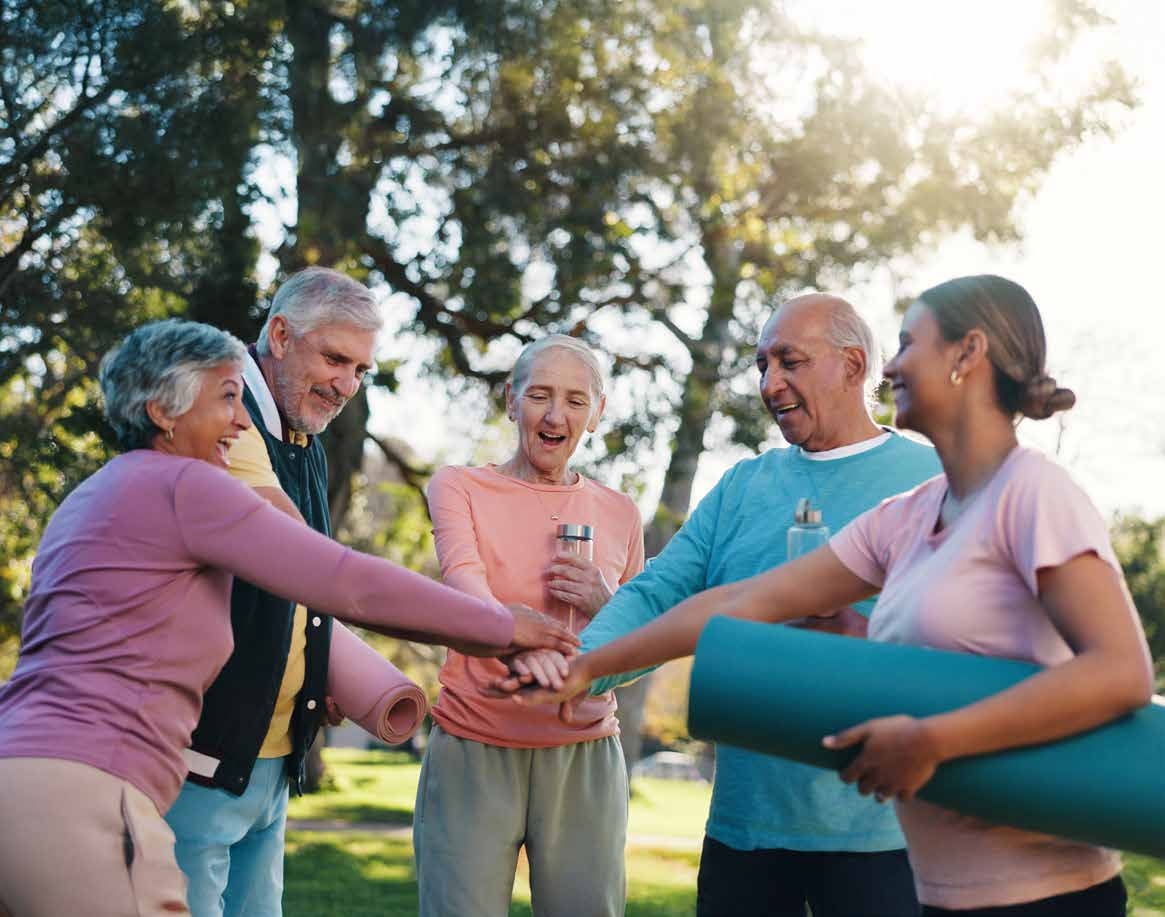
You can boost your odds of living a longer, healthier life by performing a simple, fun exercise. It consists of getting together with friends or loved ones and—well, socializing is the whole exercise.
Maintaining social connections as you age reduces several key health risks and ultimately can lead to a life that's not only more enjoyable but also longer and healthier.
Among the proven benefits are increased mental sharpness and emotional resilience, less memory loss with age and better physical health.
The more diverse your relationships are, the better. Research suggests that connecting with people in varying categories (such as children, friends, extended family and neighbors) is just as important as having lots of relationships.
Take the Initiative
Loneliness and isolation are common among older adults, so it's important to actively build a more social environment for yourself. Here are some ways to get involved with others.
Step out. Just leaving your house offers social opportunities—not only to gather with friends and relatives but also to engage with acquaintances and even strangers. Research shows that pleasant interactions with strangers can improve your well-being, increase social skills, reduce anxiety and make you feel more connected. Plan ahead to tackle any limitations that might hold you back as you age, such as mobility and transportation. Commit to an exercise routine that will help you maintain your strength and flexibility over time. Explore public transportation and rideshare options so you're comfortable using them if the need arises.
Seek new connections. Losing loved ones is inevitable as you age. You can't replace dear friends or relatives, but it's important to welcome new relationships throughout life. If you do lose someone close, reach out to friends, a counselor or a grief support group to help you work through your feelings and decrease loneliness—social connection is even more important during challenging times.
Engage Your Mind. As you plan for or enjoy retirement, make a point to explore interests with like-minded people. Some ideas:
- Join a club—most areas have social groups for readers, knitters, runners and many other pastimes.
- Take a class through a local college, high school or community program.
- Organize a group activity for your friends. For example, arranging a hike to an unfamiliar location requires planning, map reading, focused attention and problem-solving.
- Study another language that's commonly used in your community or one that will help you engage with locals when you travel.
Set the stage. Approaching new people can be daunting, so create contexts where connections feel natural. For example, sign up for golf, pickleball or chess lessons—learning something with others creates loads of opportunities for casual conversations, which are beneficial in themselves but can also lead to ongoing friendships. Volunteering is another activity that creates natural opportunities to interact with people who are new to you. Hospitals, food pantries and animal rescue organizations typically look for ongoing volunteer help.
Resources
To learn more about the health benefits of staying socially connected, check out these books.
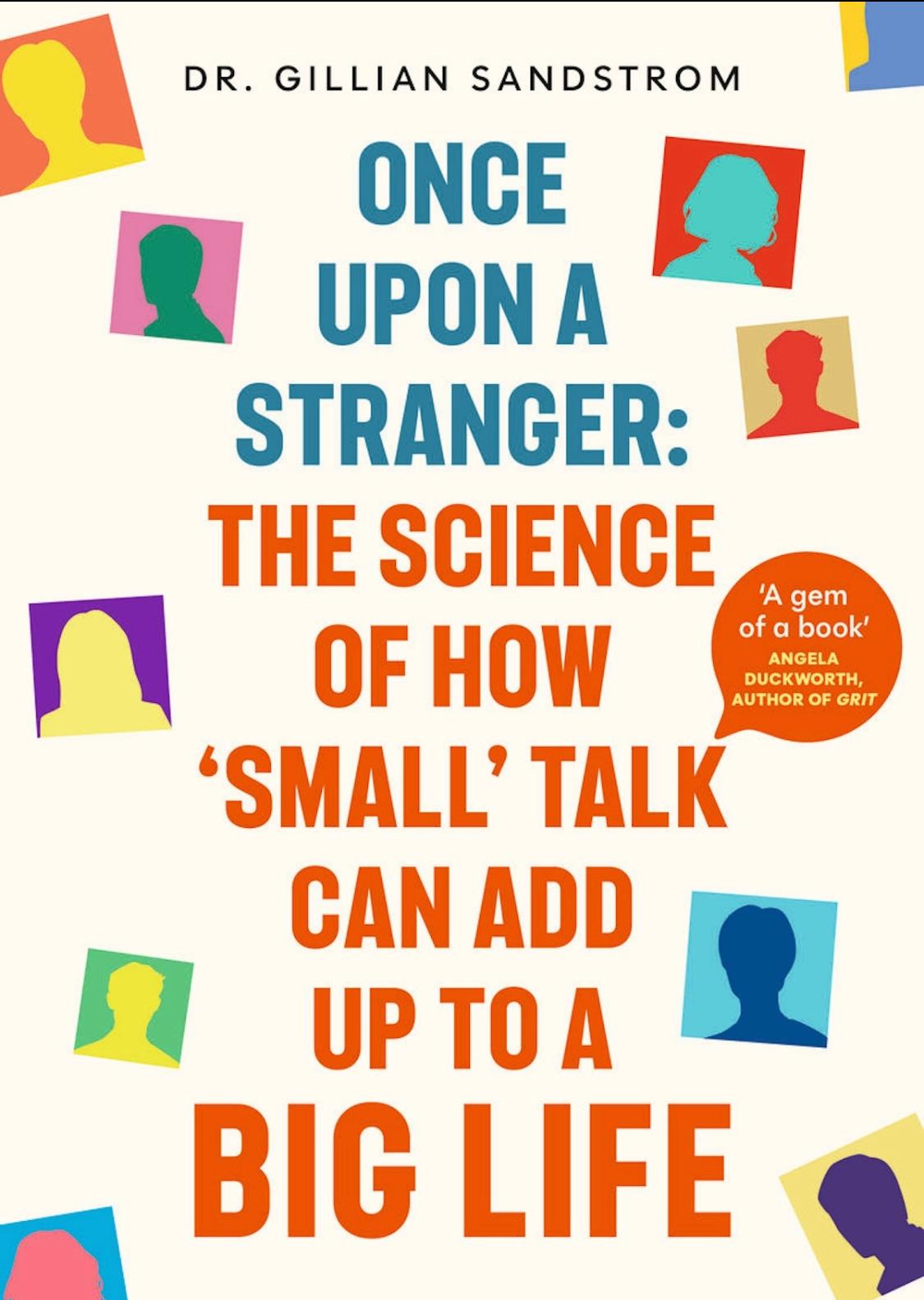
Once Upon a Stranger: The Science of How 'Small' Talk Can Add Up to a Big Life
By Gillian Sandstrom, PhD
In an age when loneliness and isolation are on the rise, Sandstrom has taken a deep research dive into the value of small talk. This book shows how short conversations with strangers can create small moments of joy, curiosity and goodwill that contribute to a more positive view of the world and stronger feelings of social connection.
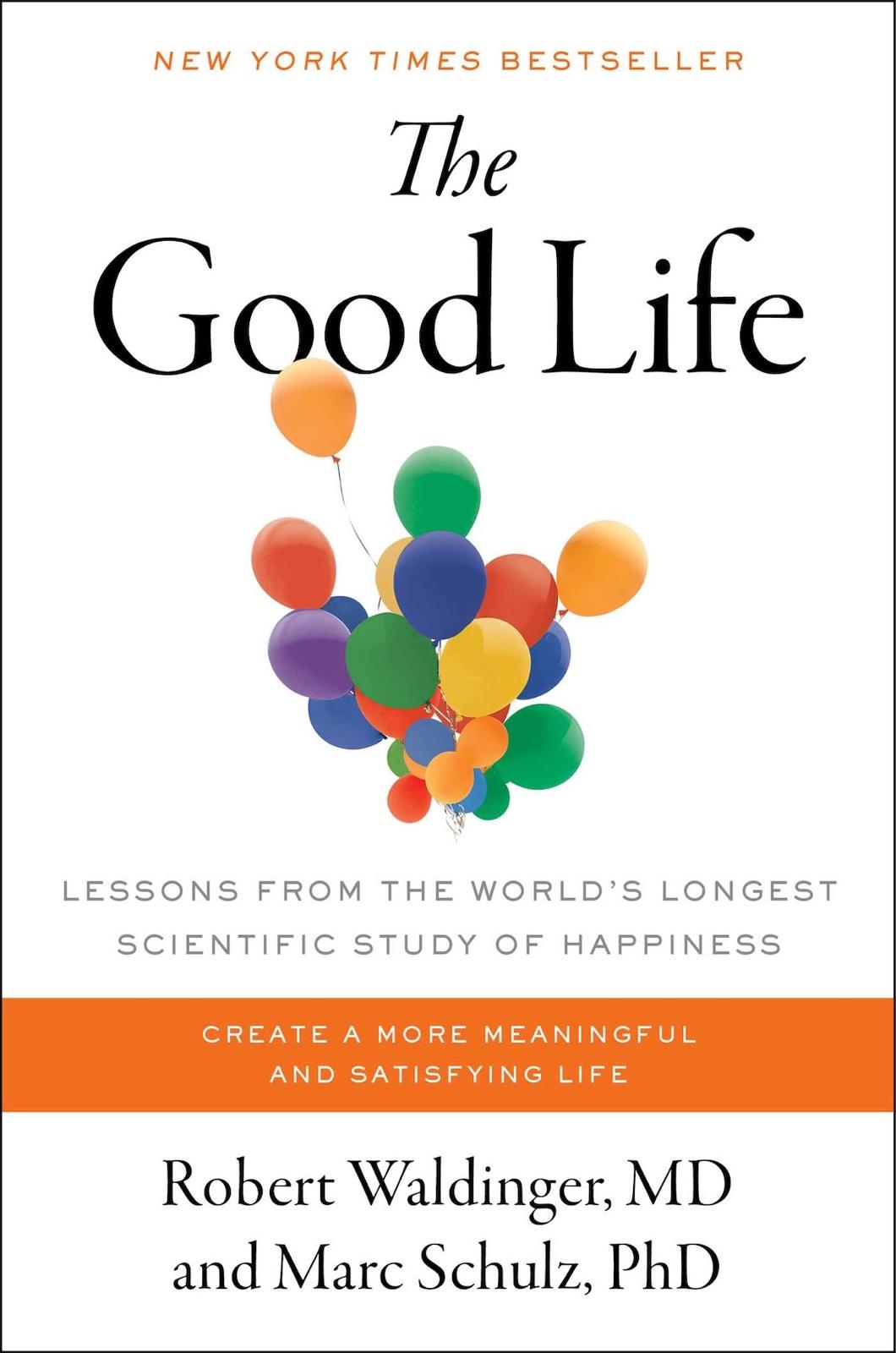
The Good Life
By Robert Waldinger, MD, and Marc Schulz, PhD
Based on the longest study of adult development in history, this book explores the power of human connection. Blending data from that research with instructive case studies and interviews, the authors explore how the strength of our connections with others can predict the health of our bodies and brains as we age.